
Have you noticed your older loved one making frequent trips to the bathroom or experiencing accidental urine or bowel leaks? If so, they may be living with incontinence.
Incontinence is a medical condition that causes a person to lose control of their bladder or bowel. Many older adults experience this condition, but it is often a subject they do not like to talk about because of embarrassment, which may prevent them from seeking the help they need.
If you have a loved one living with incontinence, the first thing you need to do is stay calm. Incontinence is more common than many people realize, and there are many ways to manage it. It is important to learn as much as you can about the condition so you can better understand what your loved one is going through and provide the support they need.
Common Causes of Incontinence in Older Adults

Understanding what may be causing your loved one’s incontinence can help you better manage their symptoms and provide the right care.
Although aging can increase the risk of incontinence, it is not considered a normal or inevitable part of aging. Several factors may contribute to the condition, including:
Weak Pelvic Floor Muscles
A common cause among older adults is the gradual weakening of the pelvic floor muscles, which support the bladder, bowel, and uterus. Hormonal changes may also contribute to this weakening.
Overactive Bladder
An overactive bladder (OAB) can cause a sudden and frequent urge to urinate, which may lead to urine leaks if the bathroom cannot be reached in time.
Neurological Conditions
Conditions such as stroke, dementia, diabetes, Parkinson’s disease, and multiple sclerosis can damage the nerves that control the bladder, making it more difficult to manage urination.
Limited Mobility
Reduced mobility may make it difficult for older adults to reach the bathroom quickly, increasing the likelihood of accidental urine leakage.
Dementia or Alzheimer’s Disease
People living with dementia or Alzheimer’s disease may have difficulty recognizing the need to use the bathroom or remembering where it is, increasing the risk of incontinence.
Menopause
For women, estrogen levels drop during menopause, which may weaken the pelvic floor muscles and contribute to urinary incontinence.
An Enlarged Prostate
In men, an enlarged prostate can slow the flow of urine, which may affect bladder function and contribute to urinary incontinence.
How to Support an Older Loved One with Incontinence

Offer Emotional Support
At first, your loved one may feel uncomfortable talking about their incontinence, and that is completely understandable. Approach the conversation with patience, empathy, and reassurance. Showing emotional support, staying calm, and listening without judgment can help them feel more comfortable discussing their condition.
Encourage a Medical Checkup
If your older loved one has not yet consulted a doctor, schedule an appointment as soon as possible. A general practitioner can help identify the cause of the problem or refer them to a specialist if further evaluation is needed. Early diagnosis can lead to more effective treatment and management options.
Consider Professional Caregiving Support
Older adults with prolonged or severe incontinence may benefit from additional care and assistance. Hiring a home-care worker or caregiver can help make daily routines easier for both you and your loved one. Professional caregivers are trained to provide compassionate, respectful, and practical support. When choosing a caregiver, look for someone who is compatible with your loved one’s personality and care needs to help ensure the best possible experience.
Supporting Your Older Loved One with the Right Products
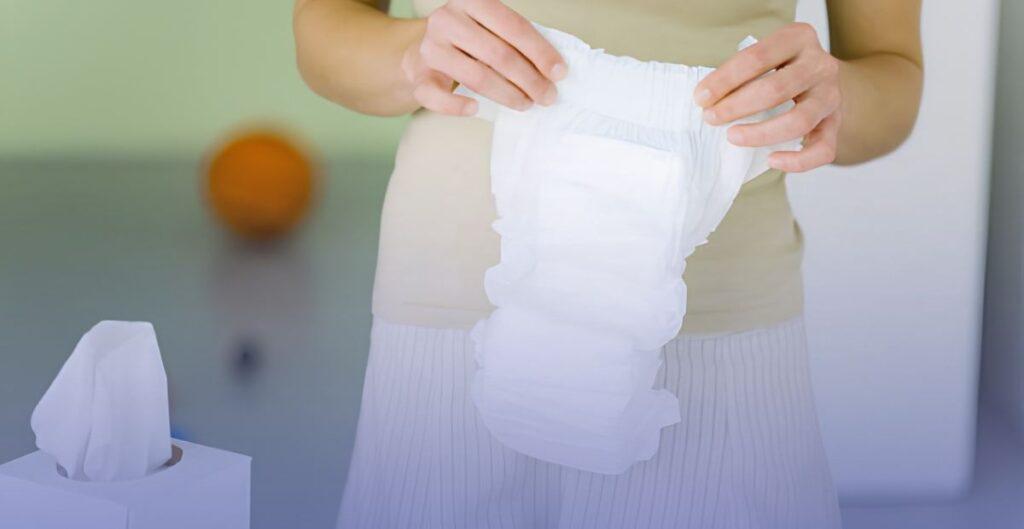
There are many products available that can help older adults manage incontinence more comfortably and confidently. Choosing products with good absorbency, leak protection, and skin-friendly materials can help reduce the impact of accidental leaks while promoting comfort and hygiene.
Caress Adult Diaper Basic
For minimal urine leakage and dribbling, Caress Adult Diaper Basic is a suitable option. It features a Liquid Distribution Layer (LDL) that quickly draws moisture away from the skin to help keep the wearer dry. It also has leak guards to help minimize leaks, a soft cottony material with a breathable outer cover for added comfort, antibiosis to help prevent the growth of bacteria that may cause skin irritation, infection, and bed sores, and deodorization to help neutralize urine odor.
Caress Adult Diaper Day Use
Caress Adult Diaper Day Use is designed to provide comfort and reliable protection during everyday activities, making it another suitable option for daily wear.
Caress Adult Diaper Overnight Maxi
To help your loved one enjoy a more restful night’s sleep, Caress Adult Diaper Overnight Maxi offers the same product features as Caress Adult Diaper Basic with a longer and wider absorbent pad for extended overnight protection.
Caress Underpads
Caress Underpads help keep beds and furniture protected from accidental leaks. They are made with absorbent materials that quickly pull moisture away from the surface, helping keep the skin drier while reducing the risk of skin irritation and protecting bedding from becoming soiled.