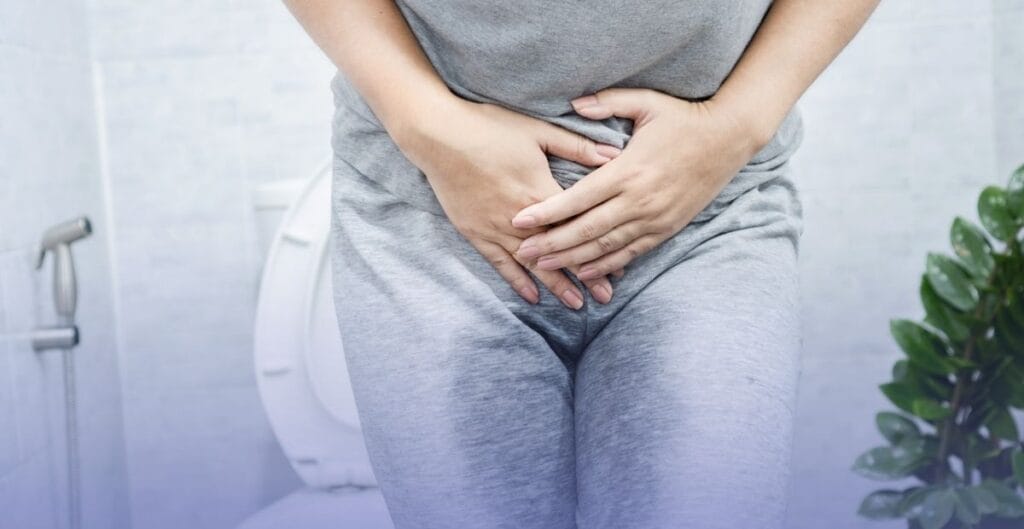

Urinary incontinence is the involuntary leakage of urine. It usually occurs when there is a problem with the bladder or the pelvic floor muscles. It can range from losing a few drops of urine while coughing or sneezing (stress incontinence) to feeling a sudden, strong urge to urinate, even after using the bathroom (urge incontinence).
While urinary incontinence can affect both men and women, studies show that women are twice as likely to experience the condition due to differences in their anatomy. Urinary incontinence in women often occurs during pregnancy, after childbirth, or during menopause—life stages and health events that are unique to women.
Although it can affect daily activities and confidence, urinary incontinence is a manageable condition with the right treatment and lifestyle changes.
Why Is Urinary Incontinence More Common in Women?

Women have a shorter urethra than men. The urethra is the tube that carries urine from the bladder to the outside of your body. The female urethra is much shorter than the male urethra, which means there is less muscle support to help keep urine in the bladder until the body is ready to urinate. Any weakness or damage to the pelvic floor muscles or urethra can increase the risk of urinary incontinence.
Common Causes of Urinary Incontinence in Women
Stress Incontinence
With stress incontinence, physical activities like exercising, coughing, sneezing, and laughing can cause urine leakage. Stress incontinence in women is often caused by physical changes to the body, such as:
- Childbirth
Especially after a vaginal delivery, labor and childbirth can weaken the pelvic floor muscles and damage the nerves that control the bladder.
- Pregnancy
As the unborn baby grows during pregnancy, the baby places pressure on the bladder, urethra, and pelvic floor muscles. This pressure may weaken the pelvic floor muscles over time and lead to urinary incontinence.
- Menopause
After menopause, women have lower levels of the hormone estrogen, which may contribute to the weakening of the urethra and surrounding tissues.
Mixed Incontinence
Mixed incontinence is a combination of stress incontinence and urge incontinence. It is most commonly seen among older women.
How Can Women Manage Urinary Incontinence?

There are several recommendations doctors may suggest to help women manage urinary incontinence:
1. Do Kegel Exercises
Kegel exercises strengthen the pelvic floor muscles that support the uterus, bladder, and small intestine. They may also help improve symptoms during pregnancy or after childbirth.
To do Kegel exercises, pretend you are trying to stop the flow of urine or prevent yourself from passing gas. When you do this, you are contracting the pelvic floor muscles. You can do Kegel exercises almost anywhere, whether you’re sitting at your desk or relaxing on the couch.
2. Consider a Pessary
Pessaries are silicone or rubber devices that are placed inside the vagina to help support the bladder and urethra. This helps keep the urethra in its normal position, which may reduce urine leakage caused by stress incontinence. For women who travel for long periods or spend extended hours away from home, a pessary may also help provide added confidence and comfort.
3. Try Bladder Training
Gradually change your urination habits through bladder training. Practice delaying urination when you feel the urge to urinate. Hold it for about five minutes, then gradually increase the amount of time by 10-minute intervals until you are able to better control your bladder.
Incontinence Products That Can Help
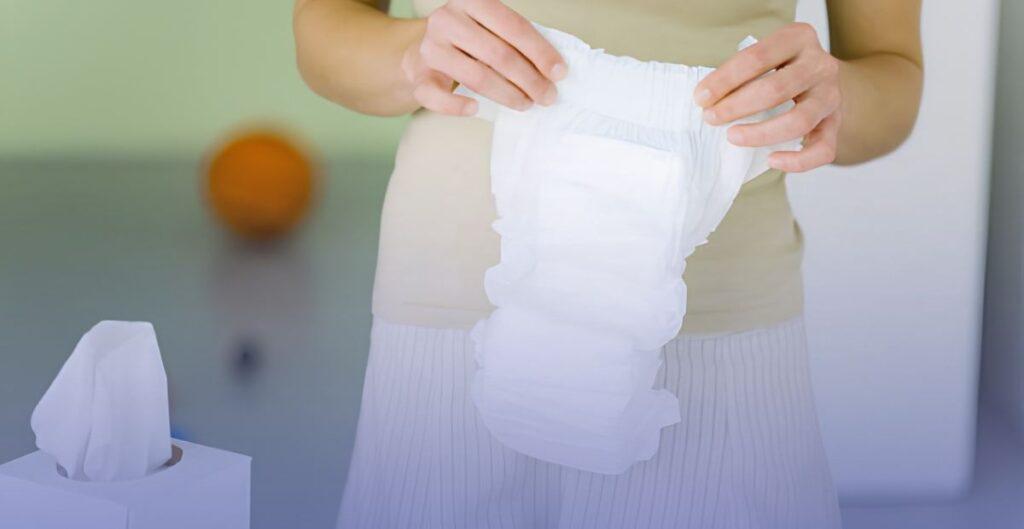
The use of incontinence products, such as adult diapers, is one of the quickest ways to help manage urinary incontinence. Today, there are various products that provide convenience, comfort, and leak protection depending on the severity of the condition.
Hy-Pants Absorbent Underwear
For those who are active, mobile, and have light incontinence, Hy-Pants Absorbent Underwear is a suitable option. It is a pull-up style underwear with a slim absorbent pad that allows the wearer to move comfortably and confidently throughout the day.
Secure Adult Pull-Up Pants
For those who are active and have moderate to heavy incontinence, Secure Adult Pull-Up Pants may be a suitable choice. Like regular underwear, they are easy to wear but feature a more absorbent pad for added leak protection.
Caress Adult Diapers
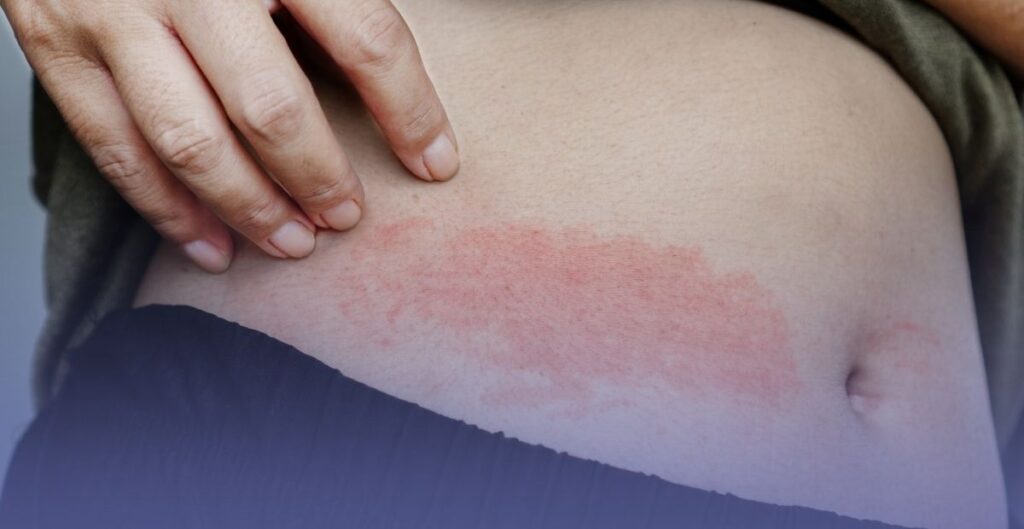
For older adults or individuals with limited mobility, Caress Adult Diapers are a practical option. They feature a Liquid Distribution Layer that locks in liquid for a dry and comfortable feeling, antibiosis to help prevent the growth of bacteria that may cause skin rashes, and deodorization that helps neutralize urine odor.
Caress Adult Diaper Overnight Maxi
Another option is the Caress Adult Diaper Overnight Maxi. It is specially designed for older adults with heavy to extra heavy incontinence. It has a longer and wider pad for overnight protection, helping your loved ones enjoy a more comfortable night’s sleep.
Caress Underpads
Caress Underpads are quick-dry absorbent mats with quilted channels that help protect your bedding from moisture. They also help pull moisture away from the surface, keeping the skin drier and helping reduce the risk of skin irritation.