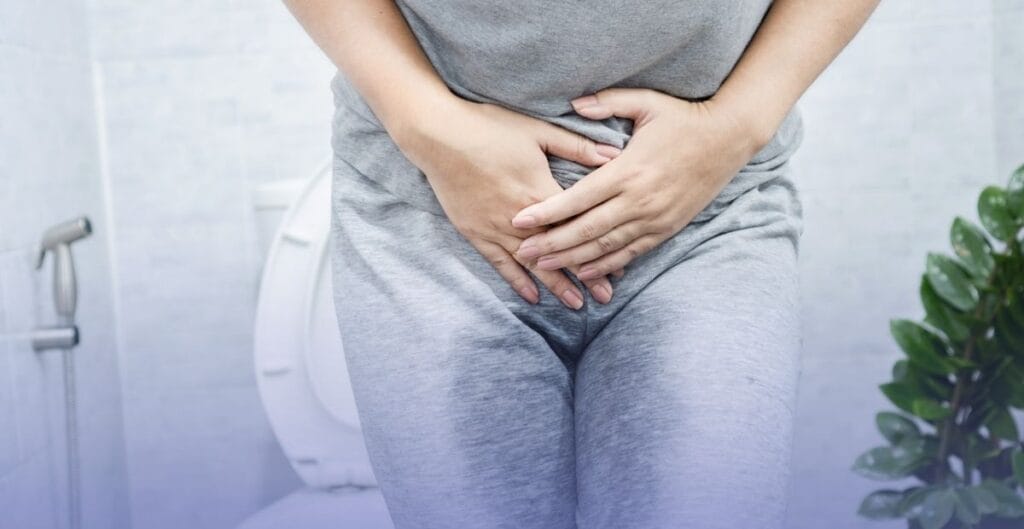

Living with incontinence can be challenging, but it doesn’t have to limit your daily life. Although it is not a life-threatening condition, incontinence can affect one’s emotional well-being, self-esteem, and overall quality of life.
It is important to know that incontinence is both treatable and manageable. And managing incontinence is critical to maintain independence and quality of life.
There are many ways to manage incontinence. Start by consulting a doctor for a proper diagnosis and appropriate treatment recommendations. You can also consider the following lifestyle tips:

1. Manage Your Food and Fluid Intake
People with incontinence should pay close attention to their diet and avoid foods and drinks that may cause the bladder to produce more urine, such as caffeine, carbonated drinks, spicy foods, and alcohol. To help manage incontinence, drink enough fluids to stay hydrated while avoiding excessive fluid intake. It is also recommended to eat high-fiber foods to help prevent constipation.
2. Strengthen Your Pelvic Floor Muscles
A weak pelvic floor is one of the possible causes of incontinence. Pelvic floor muscle exercises, also known as Kegel exercises, can help strengthen these muscles.
To do Kegel exercises, make sure your bladder is empty, then sit or lie down. Imagine trying to stop urinating, hold that position for five seconds, and then relax for another five seconds. Gradually work up to holding each contraction for 10 seconds and aim for at least three sets of 10 repetitions each day.
3. Maintain a Healthy Weight
Some studies suggest that excess body weight increases abdominal pressure, which in turn increases bladder pressure and the mobility of the urethra, contributing to urinary incontinence. Losing excess weight may help improve bladder control and reduce symptoms.
4. Quit Smoking
Smoking can contribute to urinary incontinence because smokers may develop a chronic cough, which can damage and weaken the pelvic floor muscles, resulting in incontinence. Quitting smoking may help reduce episodes of urinary leakage and improve bladder health.
5. Try Bladder Training
Bladder training is an important behavioral therapy that can be effective in treating urinary incontinence. It requires following a fixed bathroom schedule, even if you do not immediately feel the urge to urinate.
Choose the Right Incontinence Products

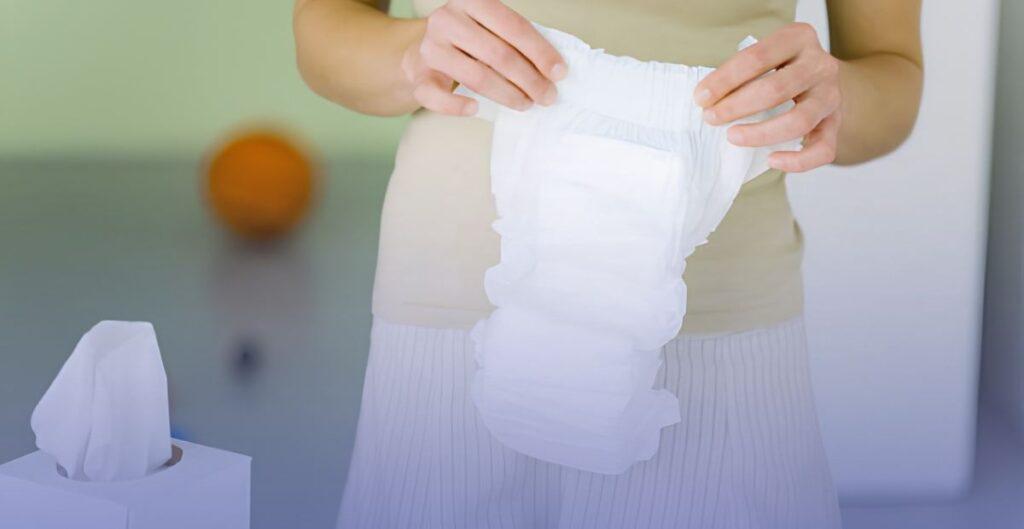
With all these measures that try to manage incontinence, it is still essential to make sure that comfort and quality of life are a priority. There is a variety of incontinence products in the market that help lessen the worry of accidental leakage of urine and feces.
Caress Adult Diaper Basic
Caress Adult Diaper Basic has a super absorbent pad with a Liquid Distribution Layer (LDL) that draws urine away from the skin, keeping the user feeling dry. It also has leak guards to help protect against leaks.
Caress Adult Diaper Overnight Maxi
For those who need higher absorbency, Caress Adult Diaper Overnight Maxi offers the same features as Caress Adult Diaper Basic. It comes with a longer and wider super absorbent pad for long-lasting protection and a more comfortable night’s sleep.
Hy-Pants Adult Underwear
Another option is adult underwear or pull-up pants, such as Hy-Pants Adult Underwear, which can be worn just like regular underwear. It has a slim absorbent core that is specially designed for active and on-the-go individuals with light incontinence. It is breathable and has a slim fit, making it discreet to wear under regular clothing while allowing users to move freely and comfortably.
Secure Adult Pull-up Pants
Secure Adult Pull-up Pants are another option for people with moderate to heavy incontinence. They offer similar features to Hy-Pants Adult Underwear but include a super absorbent pad with a high-volume absorbent capacity for leak protection.
Caress Underpads
You may also consider using Caress Underpads. These cloth-like, waterproof mats feature quilted channels that help distribute moisture evenly across the pad for quicker absorption, helping protect your mattress and sheets from becoming soiled.