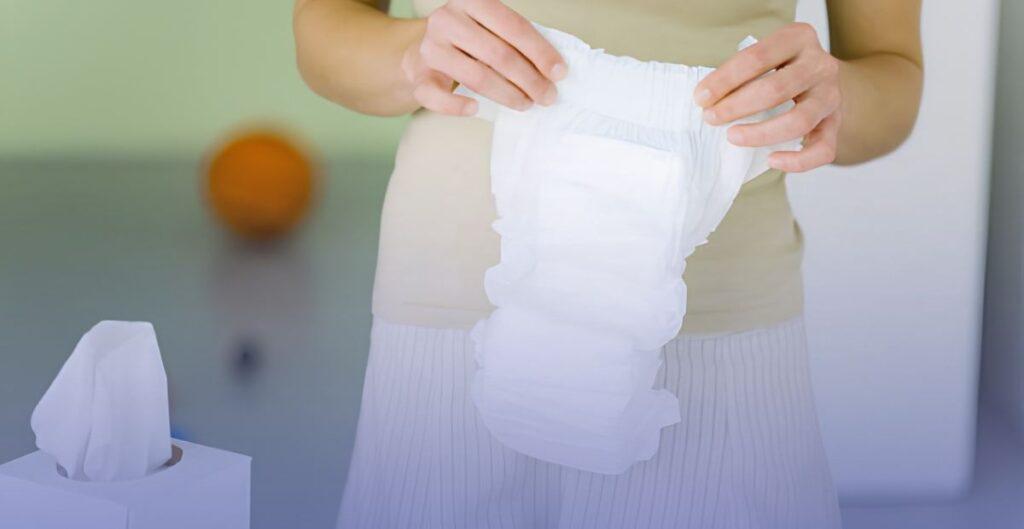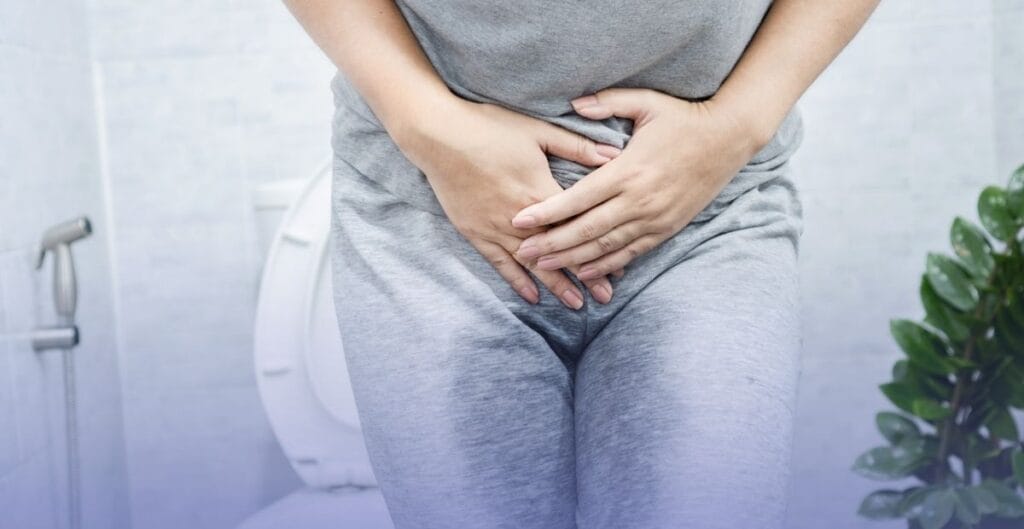
If you or someone you care for is living with urinary incontinence, you may have experienced common challenges such as skin irritation, rashes, and unpleasant odors. One of the things preventing people with incontinence from wearing or using incontinence products is the fear of discomfort and skin irritation, leading to possible diaper rashes.
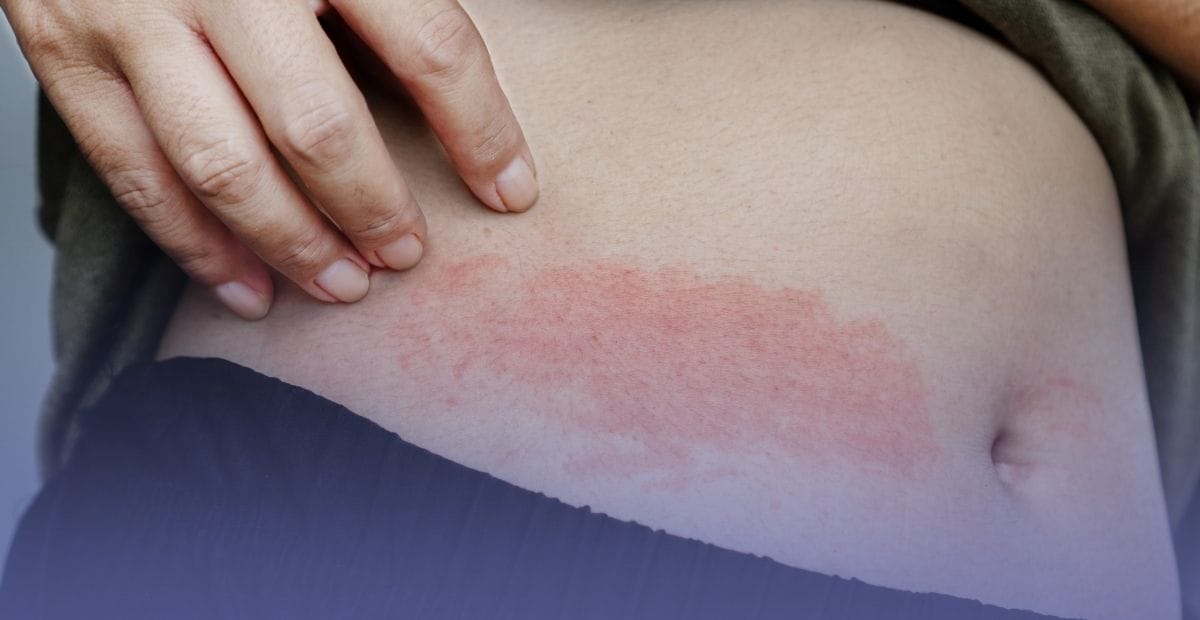
Anyone can get a groin skin rash at any age. Infrequent diaper or pull-up pants changes can lead to irritation from chemicals in urine and stool, fungal infection, or allergic reactions. Skin irritation caused by trapped heat or moisture, as well as damage to the skin barrier from rubbing, can make the condition worse.w
Flare-ups of chronic skin conditions, such as psoriasis or eczema, may also contribute to skin irritation. The rashes may be pink to red, peeling, itchy, and painful. The good news is that many of these skin problems can be prevented with proper hygiene and skin care.
How to Manage Skin Rashes Caused by Incontinence

Use Protective Ointments
Ointments such as zinc oxide and petroleum jelly may help protect and soothe the skin. Apply them to the affected area two to four times a day or as directed by your healthcare provider.
Treat Fungal or Bacterial Infections
For fungal infections, your doctor may recommend topical antifungals such as nystatin, ciclopirox, or imidazole creams. Severe fungal infections may require oral medications in addition to creams or ointments.
If a rash is caused by a bacterial infection, a topical antibiotic may be recommended by your doctor.
Know When to See a Doctor
Consult your doctor as soon as possible if:
- The groin rash is severe or lasts longer than three days.
- The rash is accompanied by fever or flu-like symptoms.
- The rash blisters, peels, oozes, bleeds, or leaks pus.
- You experience pain, urinary frequency, urgency, dribbling, or discomfort while urinating or passing stool.
6 Hygiene Tips for People with Incontinence and Caregivers

1. Change Incontinence Products Regularly
Good intimate hygiene starts with changing adult diapers, pull-up pants, or absorbent underwear before they become overly wet. As a general guide, schedule a change every four hours, or sooner if needed, to help reduce prolonged exposure to urine or stool. This may help lower the risk of bed sores, skin irritation, contact dermatitis, and urinary tract infections.
2. Clean the Perineal Area Properly
It is important to gently wash the perineal area during every diaper or pull-up pants change using lukewarm water and a mild, hypoallergenic cleanser. Always wash and wipe from front to back to help prevent bacteria from reaching the urethra. Make sure the area is completely dry before putting on a fresh diaper or pull-up pants.
3. Pat the Skin Dry
Pat the skin dry instead of rubbing to help prevent friction and skin abrasions, especially if rashes are already present. Allowing the area to air dry for a few moments after washing can also help keep the skin healthy.
4. Choose Odor-Control Incontinence Products
When buying adult diapers or pull-up pants, look for products with odor-control technology instead of added fragrances. These products help neutralize odor before it develops, providing better comfort and confidence throughout the day.
5. Dispose of Used Products Properly
Always dispose of used diapers in airtight bags or pouches. When traveling or sharing a home with others, place each used incontinence product in a sealed plastic bag before disposal to help control odor and maintain hygiene.
6. Wash Bed Linens and Clothing Promptly
When urine or stool gets on bed linens or clothing, wash them as soon as possible. Allowing stains to sit for long periods can make them more difficult to remove. Although bleach kills bacteria, white vinegar can help break down urine residue more effectively.
To make a white vinegar solution, mix one cup of white vinegar with three cups of water. Soak the clothing or linens for a few minutes before washing them in lukewarm water. Then add detergent and wash as usual.
Choose the Right Incontinence Products
Finding an adult diaper that fits well may take some trial and error. While proper fit is important, it is equally essential to choose products that provide both comfort and reliable protection. Lower-quality diapers may increase the risk of skin irritation, rashes, and unpleasant odors. Look for products with high absorbency and leak guards that help pull moisture away from the skin, such as Caress Adult Diaper.
Caress Adult Diaper
Caress Adult Diaper features an absorbent pad and leak guards that help wick moisture away from the skin, keeping the wearer dry while helping reduce the risk of skin irritation.
Caress Adult Diaper Overnight Maxi
Another option is the Caress Adult Diaper Overnight Maxi, specially designed for older adults with heavy to extra heavy incontinence. It has a longer and wider absorbent pad with a soft cottony cover for overnight comfort and added protection against leaks and skin irritation.
Caress Underpads
Caress Underpads are quick-dry absorbent mats with quilted channels for faster absorption. They help protect mattresses and bedding from moisture while pulling liquid away from the surface to help keep the skin drier.
Hy-Pants Adult Underwear
For active and on-the-go individuals, Hy-Pants Adult Underwear is a comfortable option. It features a slim absorbent pad, a breathable waistband, and leak barriers that help users move comfortably and confidently throughout the day.
Secure Adult Pull-up Pants
Secure Adult Pull-up Pants offer similar features to Hy-Pants Adult Underwear but provide higher absorbent capacity, making them suitable for people with moderate to heavy incontinence.