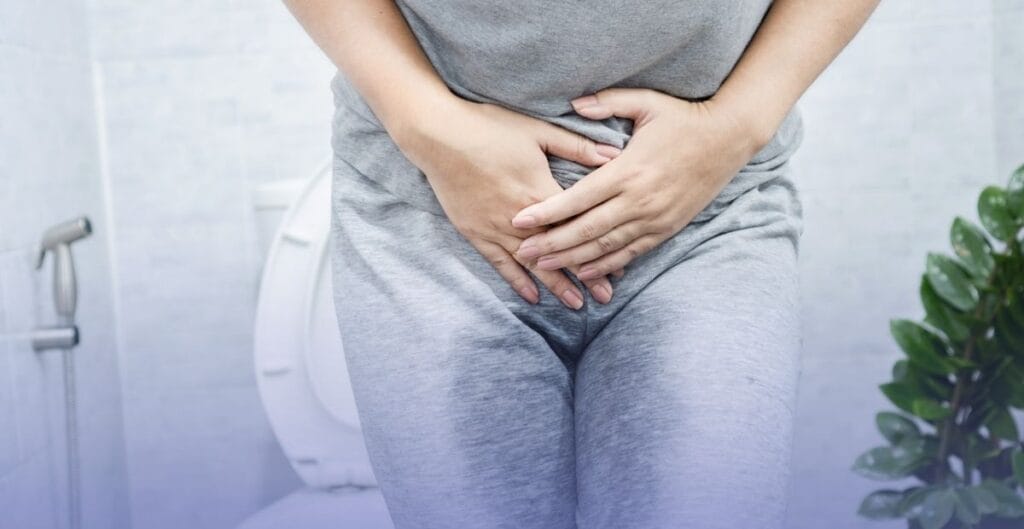
If you are experiencing urine leaks, you may be living with urinary incontinence. Several factors can affect this condition, including your diet and fluid intake. The more fluid you drink, the more you’ll need to urinate. In addition, certain foods and drinks may irritate the bladder or urinary tract, making symptoms worse.
Although changing your diet cannot cure urinary incontinence, it may help reduce symptoms by identifying and limiting foods that trigger bladder irritation.
The effects of different foods vary from person to person, so it’s helpful to use a trial-and-error approach to determine which foods affect you the most. Keep a food journal to track what you eat and drink, along with any symptoms you experience afterward. This can help you identify which foods you should limit or avoid.
12 Foods and Drinks That May Trigger Urine Leaks

Alcohol
Alcohol can stimulate the bladder and disrupt the signals between the bladder and the brain, making it harder to recognize when your bladder is full. This includes beer, wine, and liquor.
Coffee and Tea
Coffee and tea can increase bladder activity because they contain caffeine. Reducing your caffeine intake or switching to decaffeinated options may help improve symptoms. However, keep in mind that even decaffeinated coffee and tea contain small amounts of caffeine.
Tomatoes and Tomato Products
If you’re looking for ways to manage urine leaks, consider limiting acidic foods such as tomatoes. Their acidity may irritate the bladder and worsen urinary incontinence symptoms. It may also help to reduce tomato-based products such as pasta sauce, ketchup, and salsa.
Carbonated Drinks and Sparkling Water
While carbonated drinks may feel refreshing, the bubbles can irritate the bladder and increase the urge to urinate. Consider limiting soft drinks, soda water, sparkling water, and energy drinks if you notice they trigger your symptoms.
Artificial and Natural Sweeteners
Both artificial and natural sweeteners such as corn sweeteners, honey, fructose, sucrose, and lactose may contribute to bladder irritation or increase urinary frequency in some people. Reducing your sugar intake may help lessen discomfort.
Chocolate
Like coffee and tea, chocolate contains caffeine because of its cocoa content. If you’re craving something sweet, white chocolate may be a better option since it generally contains little to no caffeine.
Milk and Dairy Products
Some dairy products, including milk, yogurt, and cottage cheese, may irritate the bladder in certain individuals. You may want to try alternatives such as plant-based cheeses or dairy substitutes to see if they help improve your symptoms.
Chili Peppers and Spicy Foods
Chili peppers and spicy sauces may irritate the bladder and worsen urinary incontinence symptoms. If spicy foods seem to trigger urine leaks, consider reducing your intake or choosing milder seasonings instead.
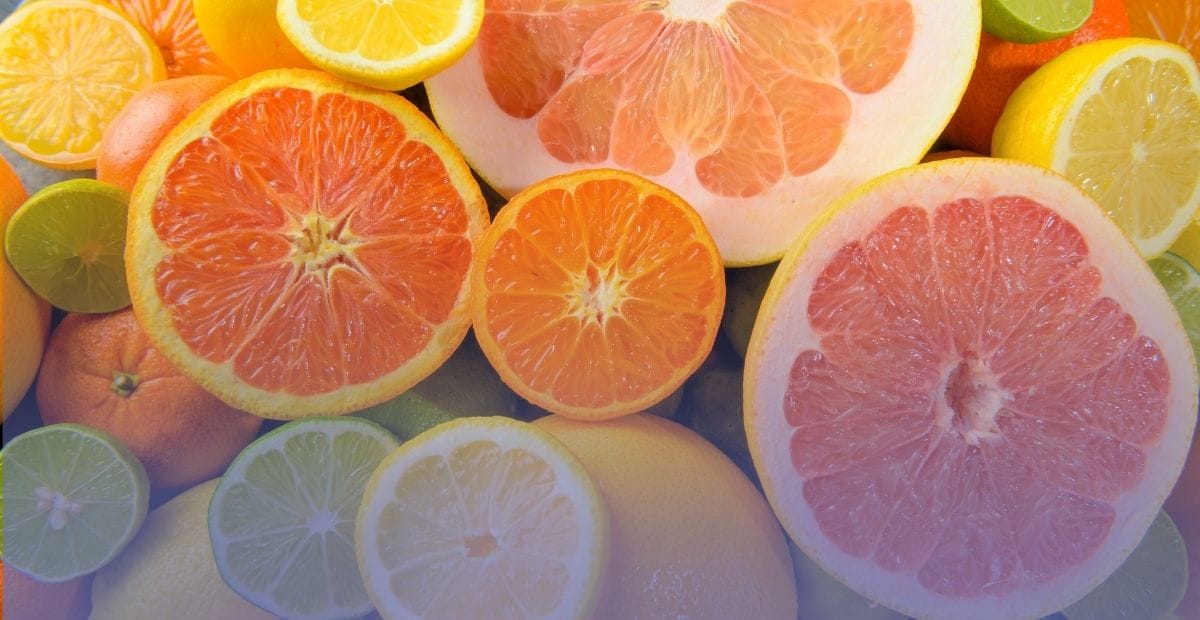
Citrus Fruits and Other Acidic Fruits
Although fruits are an important part of a healthy diet, some acidic fruits may irritate the bladder. These include pineapples, cranberries, apples, guavas, peaches, plums, and strawberries. Pay attention to how your body responds after eating these fruits. If they seem to increase your urge to urinate, consider eating them in moderation or choosing lower-acid alternatives.
Vinegar and Soy Sauce
Condiments such as vinegar, soy sauce, and tomato ketchup may irritate the bladder because of their acidity and sodium content. Instead, season your meals with herbs and spices like rosemary, garlic, and thyme.
High-Dose Vitamin Supplements
Studies suggest that high doses of Vitamin C and Vitamin B complex supplements may be associated with urinary urgency or urinary incontinence in some individuals. Talk to your doctor about the right dosage if you think your supplements are affecting your bladder.
Certain Medications
If your urinary incontinence seems to be getting worse, some medications may be contributing to your symptoms. Certain heart and blood pressure medications, psychiatric drugs, sedatives, and muscle relaxants can have frequent urination as a side effect.
Never stop taking prescribed medication without consulting your doctor. If you think your medication is making your urine leaks worse, ask your doctor if alternative treatment options are available.
Not everyone reacts to these foods and drinks in the same way. Some people may only need to reduce their intake, while others may benefit from avoiding certain triggers altogether.
What Are Incontinence-Friendly Alternatives to Satisfy Cravings and Nutritional Needs?

Choose Low-Acid Fruits
There are plenty of lower-acid fruits and vegetables to satisfy your sweet cravings. Try apricots, papaya, bananas, green beans, winter squash, potatoes, pears, and watermelon to enjoy essential nutrients while being gentler on your bladder.
Eat More Protein-Rich Foods
Foods such as lean proteins, whole grains, bread, nuts, and eggs are generally less likely to irritate the bladder. They also help keep you feeling full and satisfied between meals.
Choose Caffeine-Free Drinks
Try replacing caffeinated beverages with caffeine-free or herbal alternatives if caffeine triggers your symptoms. Some people may also tolerate green tea better than coffee, although it still contains small amounts of caffeine, so its effects can vary from person to person.
Drink Enough Water
Some people try to drink less water to reduce the need to urinate frequently. However, drinking too little water can concentrate your urine, which may irritate the bladder and increase the risk of urinary tract infections.
Aim to stay properly hydrated throughout the day. While individual fluid needs vary, many adults benefit from drinking around eight glasses of water daily unless advised otherwise by their healthcare provider.
Choosing the Right Incontinence Products
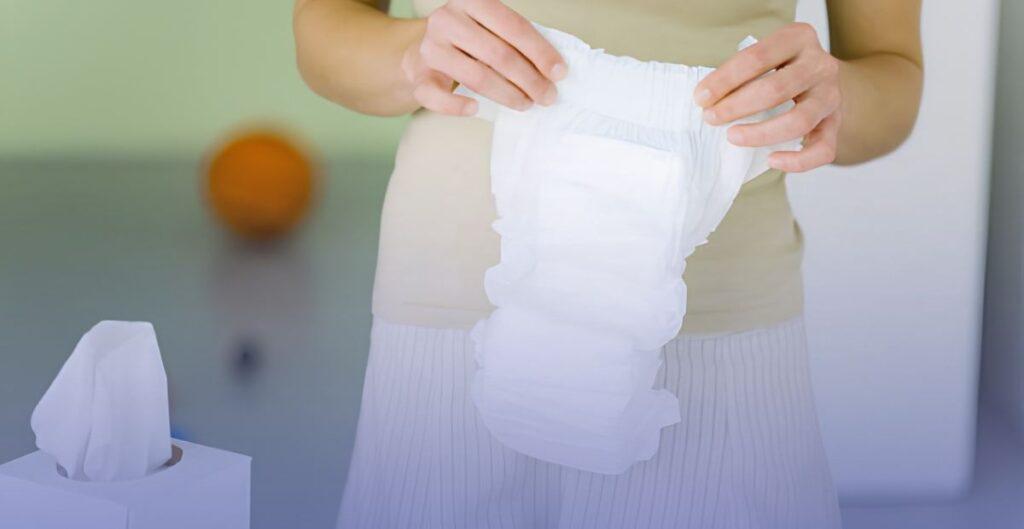
For quick and convenient management of urine leaks, incontinence products can provide added comfort and confidence during daily activities.
Caress Adult Diaper Basic
Caress Adult Diaper Basic is ideal for everyday use at home. It features a super absorbent pad with a Liquid Distribution Layer (LDL) that draws moisture away from the skin to help keep the wearer dry and comfortable.
Hy-Pants Adult Underwear
For people who are active or frequently on the go, Hy-Pants Adult Underwear can be worn just like regular underwear. Its slim absorbent core and comfortable fit help support mobility while providing protection against light urine leaks.
Secure Adult Pull-up Pants
Secure Adult Pull-up Pants are another option for individuals who need more absorbency while maintaining the convenience of pull-up style underwear.