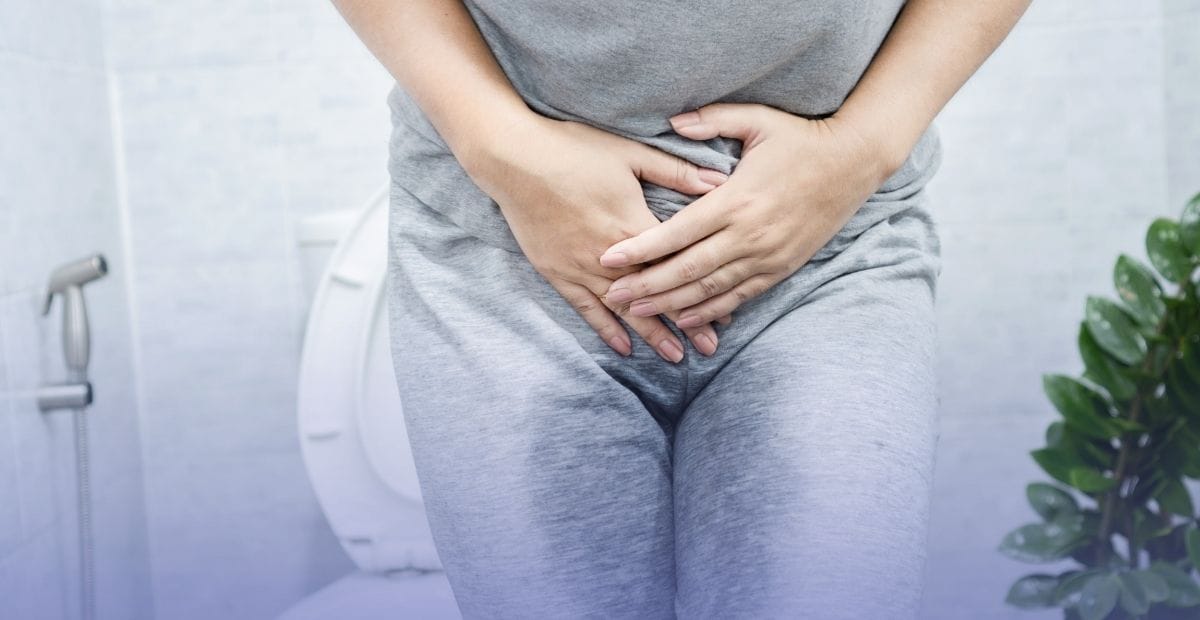
Incontinence is more common than many people realize. It is the loss of bladder control (urinary incontinence) or bowel control (fecal incontinence), which can cause accidental leakage of urine or stool. Several factors can contribute to incontinence, and if left unmanaged, it can significantly affect a person’s quality of life and ability to carry out daily activities. Fortunately, there are many ways to manage the condition and reduce its impact on everyday life.
Types of Incontinence

Urinary incontinence occurs when there is a problem with the muscles or nerves that help store and release urine. There are five main types of urinary incontinence, each with different causes and symptoms.
Stress Incontinence
Stress incontinence is the most common type of urinary incontinence. It happens when urine unintentionally leaks because of pressure on the bladder, such as during coughing, sneezing, laughing, exercising, or lifting heavy objects. Weak pelvic floor muscles are the most common cause of this condition.
Urge Incontinence
Urge incontinence, also known as an overactive bladder (OAB), occurs when there is a sudden and intense urge to urinate that is difficult to control, often before you can reach a bathroom. It may be associated with conditions such as urinary tract infections (UTIs), bladder inflammation, or bladder stones.
Overflow Incontinence
Overflow incontinence occurs when the bladder does not empty completely, causing frequent or constant urine leakage. This condition may be caused by a blockage in the urinary tract, such as an enlarged prostate or certain tumors, or by nerve damage that affects bladder function.
Functional Incontinence
Functional incontinence occurs when physical or cognitive limitations prevent a person from reaching the bathroom in time, even though their bladder functions normally. People with severe disabilities, arthritis, hip fractures, dementia, or other mobility issues may experience this type of incontinence.
Total Incontinence
Total incontinence is the most severe type of incontinence, characterized by the continuous and complete loss of bladder and bowel control. It may result from congenital abnormalities of the bladder, spinal cord injuries, the formation of a fistula (an abnormal connection between organs), or complications following prostate surgery.
Fecal Incontinence
Fecal incontinence is the inability to control bowel movements, causing accidental leakage of solid or liquid stool. Symptoms can range from occasional stool leakage while passing gas to complete loss of bowel control.
Possible causes of fecal incontinence include:
- Damage to the muscles of the anus and rectum
- Damage to the nerves that control the anus and rectum
Common Causes and Risk Factors

Several lifestyle factors and medical conditions can increase the severity or frequency of urinary and fecal incontinence.
Diet and Bladder Irritants
Spicy foods, chocolate, acidic fruits such as oranges, lemons, and grapefruits, as well as caffeinated and alcoholic beverages, can irritate the bladder and increase urine production. Limiting these foods and drinks may help reduce symptoms for some people.
Certain Medications and Supplements
Some medications and supplements may affect bladder function or increase urine production, making incontinence symptoms worse. For example, certain medications prescribed for high blood pressure can increase urine output.
Obesity
Excess body weight can place additional pressure on the bladder and weaken the pelvic floor muscles, increasing the risk of urinary incontinence.
Pregnancy and Vaginal Delivery
Vaginal delivery can stretch and weaken the pelvic floor muscles and the muscles that support the bladder and rectum, increasing the likelihood of urinary incontinence.
Smoking
Smoking is associated with weakened connective tissues and chronic coughing, both of which may contribute to urinary and fecal incontinence.
Constipation
Frequent straining caused by constipation, inadequate fluid intake, and prolonged bathroom visits can increase pressure on the pelvic floor and contribute to hemorrhoids and fecal incontinence.
How to Manage Incontinence
If you are experiencing symptoms of incontinence, it is important to consult your doctor for a proper diagnosis and treatment. Depending on the cause, your healthcare provider may recommend lifestyle changes, pelvic floor exercises, medication, or other treatment options.
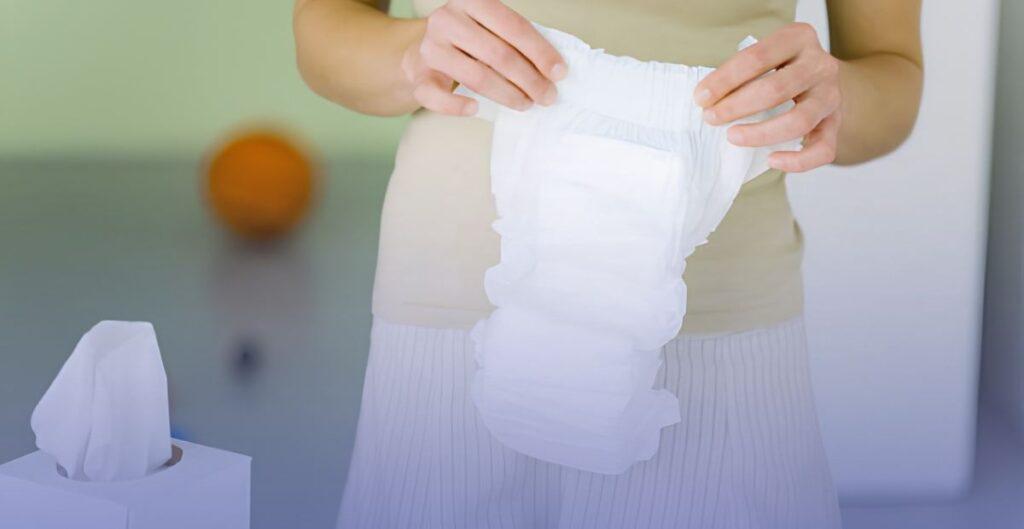
In addition to medical care, incontinence products can provide reliable protection and help you stay comfortable and confident throughout the day.
Products That Can Help Manage Incontinence
Incontinence products come in various styles and sizes to provide comfort, protection, and confidence for people with different lifestyles and levels of mobility.
Caress Adult Diaper Basic
Caress Adult Diaper Basic features a super absorbent pad with a Liquid Distribution Layer (LDL) that draws moisture away from the skin to help keep the wearer dry and comfortable. It also has leak guards for added protection, antibiosis to help prevent the growth of bacteria that may cause skin irritation and bed sores, and deodorization to help neutralize urine odor.
Caress Adult Diaper Overnight Maxi
For extended overnight protection, Caress Adult Diaper Overnight Maxi offers the same product features as Caress Adult Diaper Basic with a longer and wider absorbent pad for better overnight protection and fewer interruptions during sleep.
Hy-Pants Adult Underwear
For people who are active and experience light urinary incontinence, Hy-Pants Adult Underwear can be worn just like regular underwear. It features a slim absorbent core and a breathable design that helps users move freely and comfortably while staying protected.
Secure Adult Pull-up Pants
Secure Adult Pull-up Pants provide the same convenient pull-up style as Hy-Pants Adult Underwear but offer higher absorbency, making them suitable for moderate to heavy urinary incontinence.
Caress Underpads
Caress Underpads are cloth-like, waterproof absorbent mats with quilted channels that quickly distribute and absorb moisture, helping protect mattresses, chairs, and other surfaces from accidental leaks.