
Although urinary incontinence becomes more common as people age, it is not considered a normal part of aging. Urinary incontinence is the accidental leakage of urine caused by a loss of bladder control or difficulty controlling the urge to urinate. While it can affect adults of any age, it is more common among older adults, particularly women. As we age, changes in the bladder, pelvic floor muscles, and nervous system can affect normal bladder function and increase the risk of urinary incontinence.
Studies show that 1 in 3 older women and 1 in 12 older men experience lower urinary tract symptoms that may include urinary incontinence. Despite this, only about 22% of men with urinary incontinence seek medical help, compared with 45% of women.
With age, some of the muscle fibers in the bladder are replaced with less flexible tissue. The body’s neurological responses that help control bladder function also gradually decline over time. These natural changes can make it more difficult to hold urine or completely empty the bladder.
In addition to the normal effects of aging, certain health conditions associated with growing older can also worsen urinary incontinence. These include diabetes, obesity, congestive heart failure, and some medications that affect urine production or bladder function.
Urinary incontinence can significantly affect a person’s quality of life. It may lead to reduced participation in social activities, loss of independence, emotional distress, or even depression if left unmanaged.
People in the later stages of Alzheimer’s disease often experience urinary incontinence. This may happen because they do not recognize the urge to urinate, forget to use the bathroom, or have difficulty finding the toilet.
Another common concern among older adults is nocturia, or frequent urination during the night. It can interrupt sleep and affect overall well-being. Nocturia is especially common among adults 70 years and older, with studies reporting that it affects 69% to 93% of men and about 75% of women.
Other Causes of Urinary Incontinence in Older Adults

Urinary Tract Infections (UTIs)
A urinary tract infection can cause burning during urination, pain, confusion in older adults, increased urinary frequency and urgency, and sometimes urinary incontinence.
Constipation
When the bowel is full of stool, it can place pressure on the bladder and restrict the normal flow of urine. This may result in overflow leakage or dribbling.
Certain Medications
As people age, they are more likely to take maintenance medications for chronic health conditions. Some medications, including diuretics, antidepressants, and certain allergy medicines, may affect bladder function and increase urine production.
Reduced Mobility
Conditions such as arthritis or other mobility limitations can make it difficult to reach the bathroom in time, increasing the likelihood of accidental urine leaks.
Can Younger Adults Experience Urinary Incontinence?

Although urinary incontinence is more common among older adults, it can affect younger people as well.
Some young adults between 25 and 35 years old, as well as teenagers, also experience bladder leaks. One study found that about 3% of healthy adolescents aged 15 to 16 experienced regular daytime wetting.
The causes of urinary incontinence in younger adults vary, but common examples include urinary tract infections, weak pelvic floor muscles, side effects of certain medications, and sports injuries caused by high-impact activities such as running and gymnastics. Repeated impact may place stress on the pelvic floor muscles over time.
Other risk factors include obesity, cystic fibrosis, chronic constipation, and childhood nocturnal enuresis (bedwetting) that may continue into adolescence.
Managing Urinary Incontinence as You Age
Although urinary incontinence can be challenging, it is a manageable condition. Fortunately, there are more treatment options available today than ever before.
The first step is to consult a healthcare professional for a proper diagnosis. Treatment depends on the type of urinary incontinence, its severity, and your overall health and lifestyle.
Along with medical treatment, these practical tips may help older adults manage urinary incontinence at home.
Limit Bladder Irritants
Reduce drinks such as coffee, tea, soft drinks, and other caffeinated beverages, as they may increase urine production and worsen symptoms.
Make the Home Safer
Keep pathways clear and the bathroom well-lit and free from clutter to make it easier to reach the toilet safely.
Schedule Regular Bathroom Breaks
Encourage regular toilet visits, even before the urge becomes strong, to help reduce accidental leaks.
Choose Comfortable Clothing
Provide underwear and clothing that are easy to remove, making bathroom visits quicker and more convenient.
Use Absorbent Products When Needed
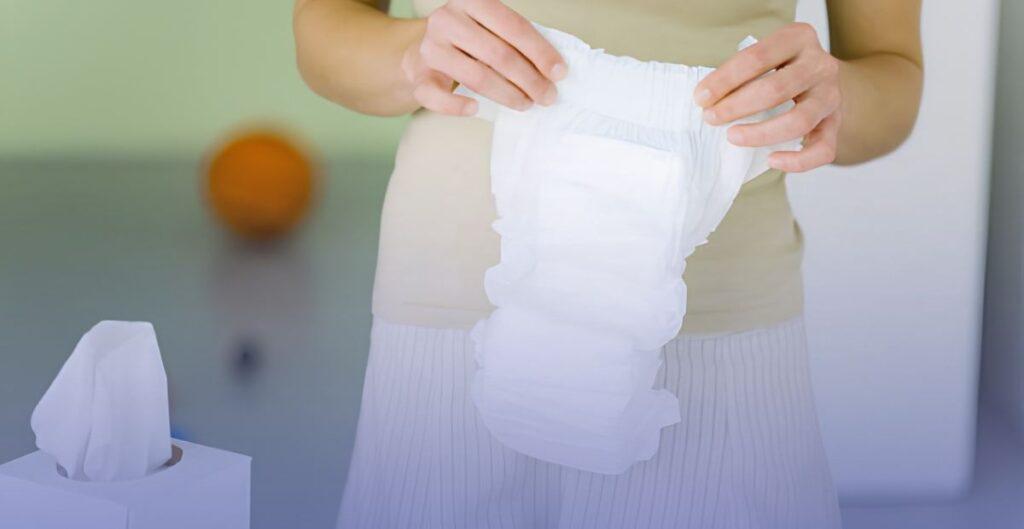
Absorbent underwear or adult diapers can provide additional confidence and protection, especially when traveling or spending long periods away from home.
Products That Help Older Adults Stay Comfortable
Even after treatment, some people may still experience occasional urine leaks, particularly those with underlying health conditions. Using the right incontinence products can help older adults stay comfortable, protected, and confident throughout the day.
Caress Adult Diaper Basic
Caress Adult Diaper Basic is a reliable option for older adults because it features a super absorbent pad with a Liquid Distribution Layer (LDL) that quickly draws moisture away from the skin, helping keep the wearer dry and comfortable.
Secure Adult Pull-up Pants
Secure Adult Pull-up Pants are convenient for older adults who remain active or frequently go out, as they can be worn just like regular underwear while providing reliable leak protection.
Hy-Pants Adult Underwear
Hy-Pants Adult Underwear offers a similar pull-up design but is recommended for people with light to moderate urinary incontinence. Its slim absorbent core and breathable material help provide comfort while supporting an active lifestyle.
Sources:
Urinary Incontinence in Aging: What to know when you can’t wait to go
https://betterhealthwhileaging.net/urinary-incontinence-in-aging
Continence and ageing
https://www.health.vic.gov.au/patient-care/continence-and-ageing
Urinary Incontinence in Older Adults
https://www.nia.nih.gov/health/urinary-incontinence-older-adults
Urinary Incontinence: An Inevitable Part of Aging
https://www.healthyagingpoll.org/reports-more/report/urinary-incontinence-inevitable-part-aging
Nocturia in Older Adults
https://www.uofazcenteronaging.com/care-sheet/providers/nocturia-older-adults
Why do some teenagers also suffer from incontinence
How To Look After A Teenager With Incontinence
https://www.allaboutincontinence.co.uk/blog/how-to-look-after-a-teenager-with-incontinence