
If your partner, parent, sibling, or another loved one is experiencing bladder leaks, you may feel unsure about how to help or how to start the conversation. Urinary incontinence can be an emotional and sensitive topic, especially for older adults, but it is more common than many people realize.
The good news is that urinary incontinence is often treatable and manageable. Encourage your loved one to consult a healthcare professional to identify the underlying cause and discuss the most appropriate treatment options. The sooner they seek medical advice, the sooner they can begin managing their symptoms with confidence.
Certainly, experiencing urine leaks and adjusting to the idea of using incontinence products can be difficult to accept. However, when urinary incontinence is left unmanaged, it may affect a person’s confidence, independence, social life, and emotional well-being. Some people may begin avoiding social gatherings or daily activities because they worry about accidental leaks.
Like many other health conditions, understanding urinary incontinence and learning about the available treatment options can make it much easier to manage.
Encourage Open and Honest Conversations

According to the National Association for Incontinence, many people living with urinary incontinence do not seek medical help. Depending on their personal beliefs and feelings, they may feel embarrassed, deny their symptoms, or avoid talking about the condition altogether.
Approaching the conversation with patience, understanding, and compassion can make a meaningful difference.
Be Empathetic and Reassuring
Reassure your loved one that urinary incontinence is a common medical condition and that they are not alone. Offer to accompany them to a doctor’s appointment and help them explore treatment options together.
If they feel anxious about accidental leaks, explain that using incontinence products can provide added protection and help them feel more comfortable and confident during everyday activities.
Ask Someone They Trust to Help
If your loved one is still uncomfortable discussing the topic, consider asking someone they trust, such as a close family member, nurse, or healthcare provider, to help start the conversation.
Many women experience temporary urinary incontinence after pregnancy, while some men may develop bladder control problems after prostate surgery. Healthcare professionals discuss these concerns every day, so there is no need to feel embarrassed about asking for help.
Make Incontinence Products Easy to Access
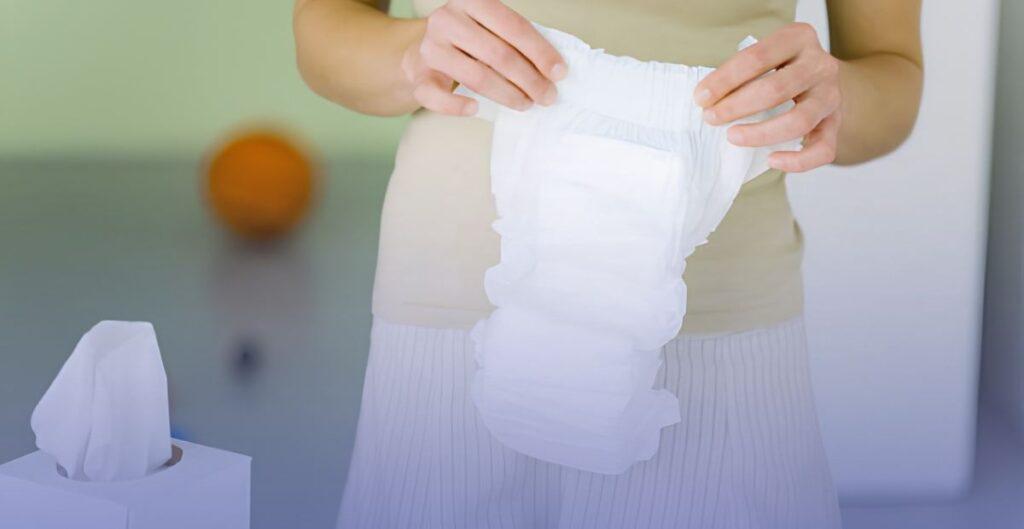
Help normalize the use of incontinence products by keeping them readily available at home. Place adult diapers or absorbent underwear in the bathroom or underwear drawer so they are easy to reach whenever needed.
You can also place a covered trash bin in the bathroom to make disposal more convenient and discreet.
Other Ways You Can Help a Loved One

Support Their Medical Care
Accompany your loved one to doctor’s appointments and encourage them to follow their recommended treatment plan.
Help Them Make Bladder-Friendly Food Choices
Certain foods and drinks can worsen urinary incontinence. Help your loved one identify bladder irritants and encourage a balanced diet that supports bladder health.
Encourage a Healthy Lifestyle
Maintaining a healthy weight may help reduce pressure on the bladder. Encourage regular physical activity, when appropriate, and healthy eating habits as part of overall wellness.
Reduce Smoking, Alcohol, and Caffeine
Smoking, alcohol, and caffeinated beverages may contribute to bladder irritation or worsen urinary incontinence symptoms. Reducing these habits may help improve bladder control.
Recommend the Right Incontinence Products
Using the right incontinence products can help your loved one stay comfortable and maintain their confidence.
- Caress Adult Diapers provide reliable absorbency and are ideal for people who need extra protection throughout the day or night.
- Secure Adult Pull-up Pants are suitable for active individuals who prefer underwear-style protection with higher absorbency.
- Hy-Pants Adult Underwear are designed for people with light to moderate urinary incontinence who want discreet, comfortable everyday protection.
A Little Support Can Go a Long Way
Urinary incontinence is more than just occasional bladder leaks. According to the National Association for Continence, nearly 90% of people living with urinary incontinence reported feeling isolated, lonely, depressed, or hopeless.
Many people begin avoiding family gatherings, social events, or travel because they worry about accidents or embarrassment.
Your understanding, patience, and encouragement can make a meaningful difference in your loved one’s quality of life. By listening without judgment, supporting their treatment journey, and helping them find practical solutions, you remind them that they don’t have to face urinary incontinence alone. After all, the best support often begins at home.